Clio's Review of The Place in Europe
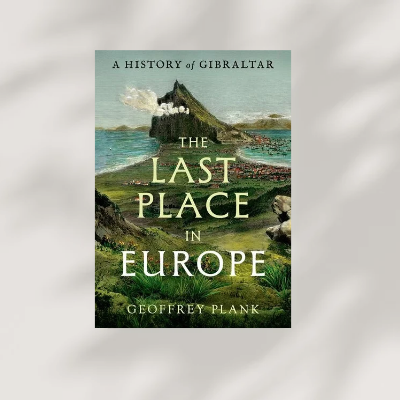
Geoffrey Plank, The Last Place in Europe: A History of Gibraltar. Oxford University Press, 2026.
Gibraltar has been besieged repeatedly, conquered by competing powers, and defended at enormous expense despite the fact that it possesses few natural resources. So why has this tiny peninsula commanded such extraordinary attention? In The Last Place in Europe, Geoffrey Plank argues that Gibraltar's importance lies less in what it contains than in where it stands: between Europe and Africa, the Mediterranean and Atlantic, and political and cultural worlds whose boundaries have proved remarkably permeable.
Spanning prehistory to Brexit, Plank challenges histories dominated by military campaigns and Anglo-Spanish sovereignty disputes. His Gibraltar is neither simply a fortress nor a diplomatic prize. It is a commercial crossroads, a refuge, a migration hub, and a community shaped by successive encounters among Muslims, Christians, Jews, and people from across the Mediterranean and Atlantic worlds.
Drawing on archaeological discoveries, diplomatic correspondence, contemporary accounts, and extensive secondary literature, Plank demonstrates how military ambitions repeatedly collided with economic necessities and everyday realities. British officials sought to regulate settlement while depending on Jewish merchants and trade with North Africa. Wartime evacuation reinforced Gibraltarians' sense of belonging even as it exposed their uneasy relationship with Britain. Franco's border closure strengthened communal identity while increasing Gibraltar's dependence on Moroccan laborers whose own claims to belonging remained precarious.
These tensions complicate both conventional imperial narratives and celebratory accounts of Gibraltar's multiculturalism. Plank successfully integrates Gibraltar's military and political history with the social and economic networks that made the territory viable. In light of Brexit, which has revived questions about sovereignty, borders, economic interdependence, and political belonging, Plank's history reminds us that drawing a boundary on a map is considerably easier than disentangling the lives of people on either side of it.
Scholars and students of empire, migration, borderlands, and Mediterranean and Atlantic history will find a valuable demonstration of how a place defined by boundaries could depend so thoroughly on crossing them.
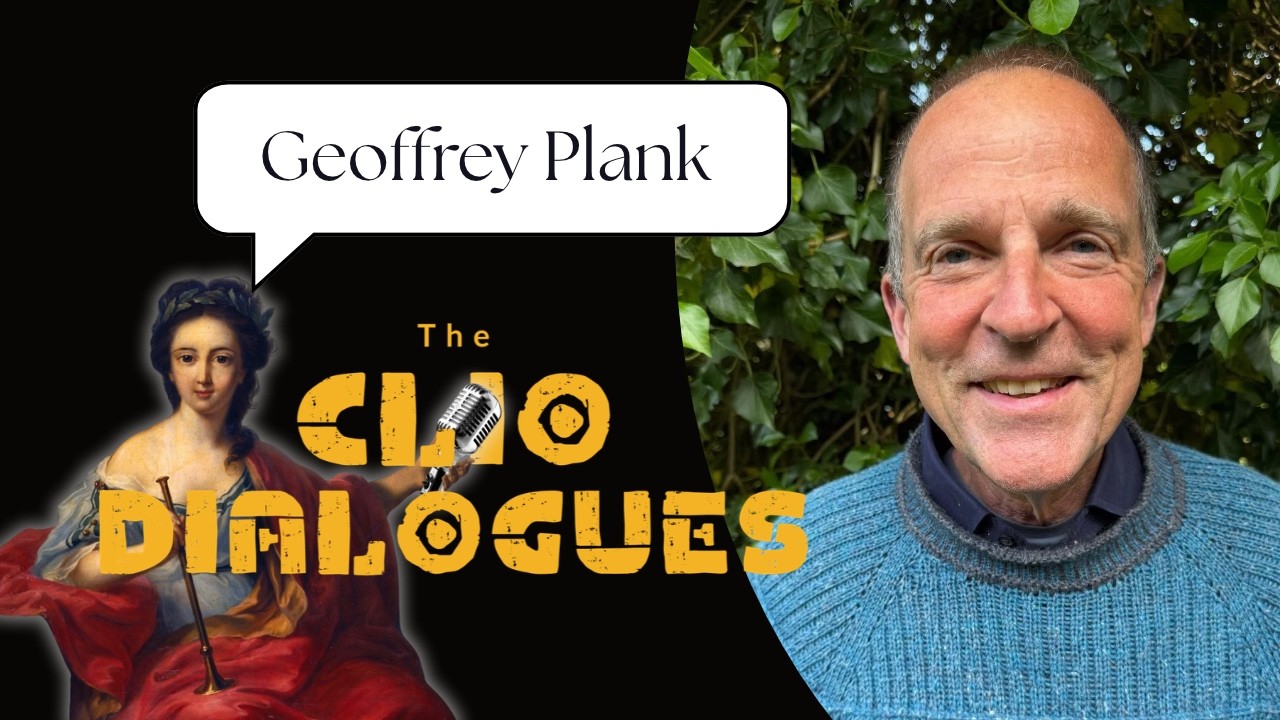
For a closer look at the Rock and the worlds it connects, watch or listen to my conversation with Geoffrey Plank on The Clio Dialogues history podcast. Then pick up a copy of The Last Place in Europe. Some borders are worth crossing—especially the one between a good conversation and a good book.
Clio's Review: Sanctuary in America