Clio's Review: The Westerners
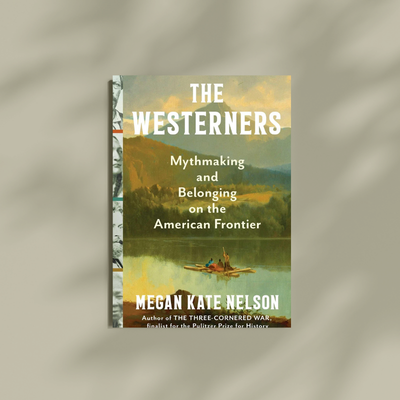
Megan Kate Nelson, The Westerners: Mythmaking and Belonging on the American Frontier (Scribner, 2026).
Few stories are as enduring and central to American national identity as the frontier. In The Westerners: Mythmaking and Belonging on the American Frontier, Megan Kate Nelson dismantles the familiar image of westward-moving pioneers by expanding the range of people included in the story and tracing the many directions in which they moved throughout the West. Rather than another account of linear expansion across the continent, The Westerners presents the nineteenth-century West as a web of intersecting migrations, communities, economies, and empires.
Nelson constructs this history through the lives of seven individuals: Indigenous scout, adventurer, and mother Sacajawea; Mexican businesswoman María Gertrudis Barceló; Chinese immigrant Polly Bemis; Canadian immigrant Ella Watson; journalist and Civil War veteran Ovando Hollister; Northern Cheyenne leader Little Wolf; and Black adventurer James Beckwourth. Collectively, their experiences undermine the tidy progression embedded in the traditional frontier narrative. They move north and south as readily as east and west, cross national and cultural boundaries, and sometimes find those boundaries shifting around them.
Nelson’s Westerners are complicated people whose choices do not always invite admiration. Some seem to make a mark wherever they go, while others live quieter lives, a useful reminder that historical significance need not depend upon proximity to famous events or exceptional achievement. Simply recovering how people worked, formed relationships, built communities, and endured can alter our understanding of who inhabited the American past. Such complexity is one of the book’s strengths.
Accessible and engaging, The Westerners does more than recover voices typically excluded from the familiar story of the American West. It also examines how that story was constructed in the first place. She argues that white journalists, politicians, historians, and other mythmakers elevated white pioneers as the heroes of western expansion while relegating Indigenous peoples, Chinese immigrants, Mexicans, Black Americans, and others to the background, if not omitting them altogether. Nelson therefore asks readers to consider how and why those exclusions became central to the story Americans tell about the West. In doing so, she demonstrates how the frontier myth has shaped ideas about who counts as an American and who remains outside the national narrative.
The Westerners is a compelling contribution to the history of the American West and to the broader study of race, migration, citizenship, and national belonging. I recommend it to readers interested in the American West, but also to anyone interested in how national myths are created, sustained, and challenged by the historical record.
Want to read the book? Support Megan Kate Nelson, independent bookstores, and The Clio Dialogues by purchasing The Westerners through Clio’s Bookshop.org storefront.
Clio's Review: I Humbly Beg Your Speedy Answer